
CATALOG / CATEGORY
Longevity.
Longevity peptides: Khavinson bioregulators, Epithalon, cytamins and cytogens to support immunity, the brain, blood vessels and skin after age 35–40. Genuine products direct from manufacturers, with competitively priced course packs. Consult a doctor before use.
All productsCosmetologyCosmetology → Peptide creamInjectorsPeptidesPeptides → NeuropeptidesWeight-management peptidesLongevitySports peptidesImmune peptides
Products found:5
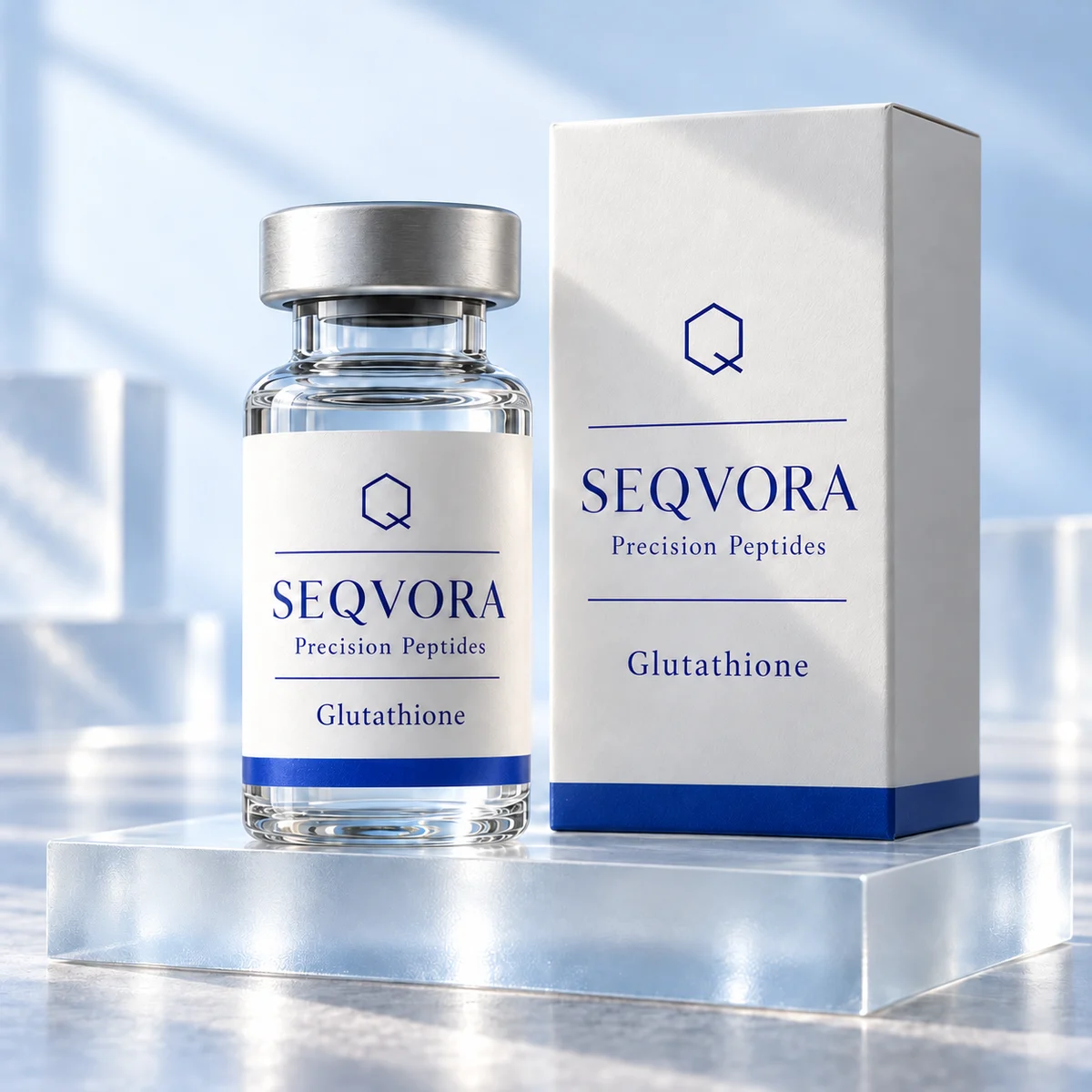
Glutathione
Glutathione. Contact us for available pack sizes, stock and pricing.
SKU:SQ-017Price on request
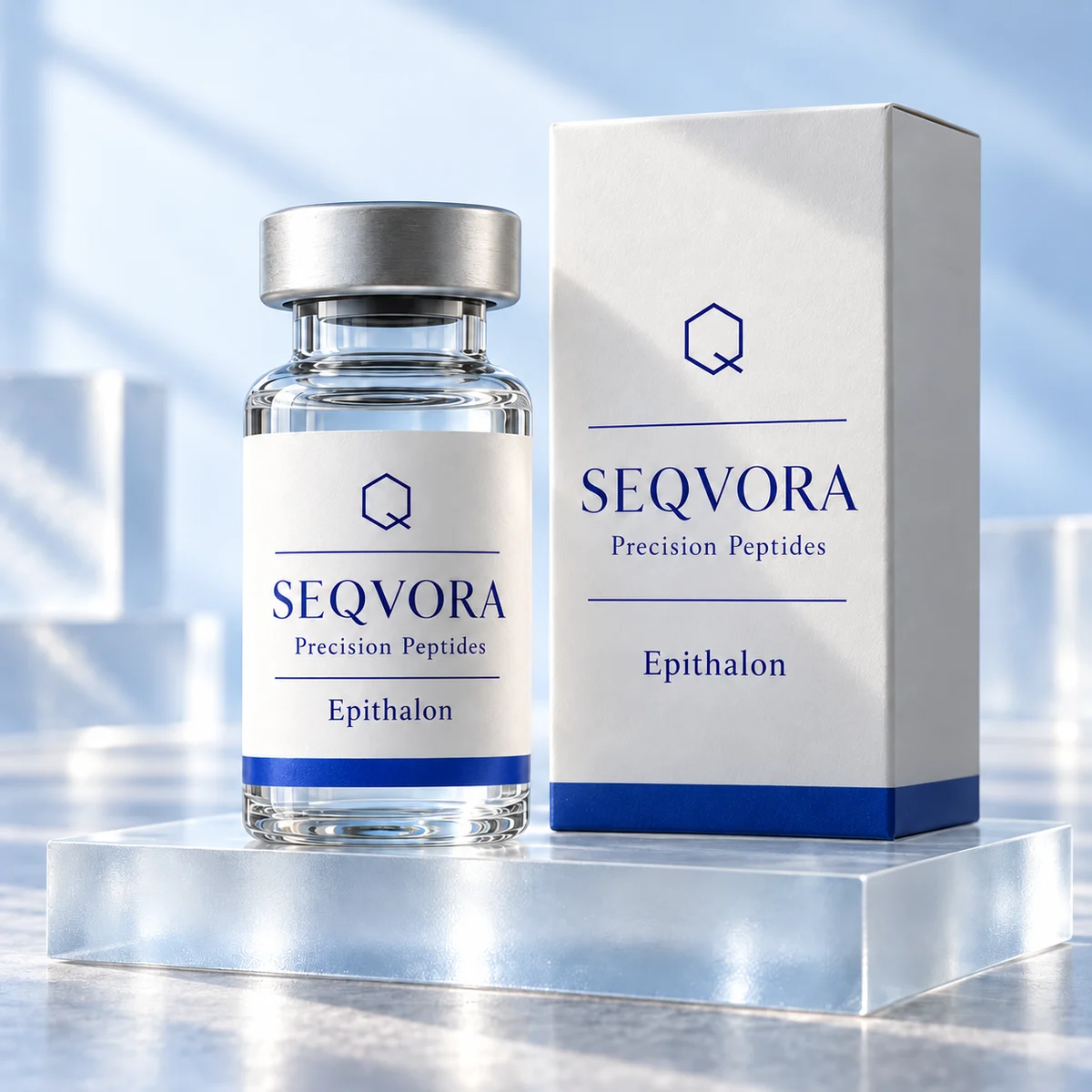
Epithalon
Epithalon. Contact us for available pack sizes, stock and pricing.
SKU:SQ-011Price on request
Peptides for longevity
Longevity is about more than years of life. It also means retaining mental clarity, energy, strong immunity and wellbeing as we age. This category brings together longevity peptides available at competitive prices from the official website: Khavinson peptide bioregulators (cytamins and cytogens), Epithalon and complexes designed to support the body after age 35–40. Below, we explain these products, how to choose peptides for your goals, how they are taken and how to distinguish genuine products from counterfeits.
What are longevity peptides?
Peptides are short amino acid chains that cells use to exchange information. The body produces thousands of these molecules naturally. Their production and effectiveness decline with age, and many researchers associate this with the ageing process.
“Longevity peptides” usually refers to bioregulators developed to support the normal function of particular organs and systems in later life. They are not a youth pill or a substitute for a healthy lifestyle. Their role is more modest: to be one part of a considered longevity programme.
How peptide bioregulators work
The concept of bioregulation proposes that short peptides have tissue specificity. Each is designed for a particular organ: the pineal gland, thymus, blood vessels, liver or brain. It is suggested that these peptides help regulate protein synthesis in the cells of their target tissue, supporting its natural function.
The strength of the evidence matters. Much of the available data comes from cell culture and animal experiments. Human studies are less numerous, and their findings remain a subject of scientific discussion. We believe this should be stated openly.
How longevity peptides differ from hormones and ordinary dietary supplements
Hormonal medicines directly replace missing hormones. Their effects are rapid and pronounced, but require strict medical supervision. Peptide bioregulators work more gently: they do not replace the body's own substances, but are designed to support its regulatory mechanisms. Unlike ordinary vitamin and mineral supplements, they are targeted, with each bioregulator having a specific target in the body.
Buy Khavinson peptides: cytamins and cytogens
Khavinson peptides form the core of this category. This class of bioregulators was developed under Professor Vladimir Khavinson, a gerontologist who spent over 40 years studying the role of peptides in ageing. The range is divided into two groups.
Cytamins
Cytamins are derived from the tissues of young animals. Each contains a peptide complex characteristic of a particular organ, alongside associated proteins and nucleic acids. They appeal to those who prefer naturally sourced raw materials.
Cytogens
Cytogens are synthesised peptides with precisely defined amino acid sequences. Their composition is consistent from batch to batch. The differences between cytamins and cytogens lie in their origin, composition and price, while their intended purposes are similar.
Epithalon
Epithalon is the best-known longevity peptide. This synthetic tetrapeptide was developed from research on pineal gland extracts. The pineal gland produces melatonin and helps regulate circadian rhythms. Epithalon is associated with widely discussed studies on peptides, telomeres and the lifespans of laboratory animals. These results cannot yet be directly applied to humans, but interest in Epithalon remains high in the longevity community.
How do I choose peptides?
The guiding principle is to choose a bioregulator for a specific goal, rather than finding a goal for a product. Below are the main areas considered when selecting Khavinson peptides.
Goal | Cytogen (synthetic) | Cytamin (natural) |
|---|---|---|
Circadian rhythms, pineal gland | Epithalon | Endoluten |
Immunity, thymus | Vilon | Thymusamin |
Brain and memory | Cortagen, Pinealon | Cerluten |
Blood vessels | Vezugen | Ventfort |
Liver | Ovagen | Sveron |
Joints and cartilage | Cartalax | Sigumir |
Peptides for immunity
With age, the thymus — sometimes called the “gland of youth” — gradually shrinks and immune protection weakens. This is known as immunosenescence. Peptides for immunity and the thymus are chosen by older adults and by people seeking support during cold season or recovery.
Peptides for the brain, memory and sleep
Peptides for the brain and memory are designed to support the nervous system in later life. They are often combined with pineal gland bioregulators, as sleep quality and brain function are closely linked. If your sleep has worsened after 50, start with the basics: a regular routine, light exposure and physical activity. Peptides can complement these habits.
Peptides for the skin
Peptides are used for the skin in two ways: orally in complexes and topically in cosmetics. Topical products include serums with the copper peptide GHK-Cu, Matrixyl and Argireline. The two approaches can be combined. Oral collagen peptides support the skin, hair and joints, while peptide cosmetics work directly on the skin's surface.
Peptides for women over 40 and for men
Women over 40 most often choose Khavinson peptides to support blood vessels, skin and general vitality. This is particularly relevant during hormonal changes, when selection should be discussed with a gynaecologist. Peptides for men are generally chosen to support blood vessels, the liver, prostate and endurance.
Taking peptides: courses and guidelines
Each manufacturer provides detailed instructions for taking Khavinson peptides. Follow those instructions and your doctor's advice. A few general principles can help you get the most from a course.
A peptide course lasts for a limited period, followed by a break. Courses are repeated several times a year. Results are best assessed once a course is complete. Tests and biomarkers provide an objective picture alongside how you feel.
How many peptides can be taken together depends on your goals and health. A combined regimen of several bioregulators should be planned with a professional. This also applies to combinations with other supplements, such as vitamin D, omega-3 and magnesium, and especially with medicines you take regularly.
At what age do people start taking peptides? They are most often considered after 35–40, when age-related changes become more noticeable. A basic check-up before the first course is useful, allowing you to compare measurements before and afterwards.
Contraindications and safety
Peptide bioregulators are usually well tolerated, but are not suitable for everyone. Main contraindications include pregnancy and breastfeeding, intolerance to individual ingredients, and childhood. If you have cancer or an autoimmune condition, or take medication regularly, consult a doctor before buying.
We do not sell undocumented peptides or “research” products of questionable origin. Injectable products from the grey market, popular in biohacking, lack quality control. Their composition and purity cannot be guaranteed.
How to buy genuine peptides and avoid counterfeits
Demand for longevity peptides is growing, as is the number of counterfeits. Check several things before buying: the manufacturer's presence in the registry and product registration documents; packaging integrity, labelling and expiry date; and pricing. A price far below the market rate should raise questions. Be cautious of sellers with no track record who offer “the same peptides, only cheaper”.
All bioregulators in our catalog are supplied directly by manufacturers or official distributors. Storage requirements are maintained at every stage, right through to delivery.
Longevity peptide pricing
Longevity peptide prices depend on the type — cytamins are generally more affordable than cytogens — the supplied form and the number of capsules per pack. To understand the real cost, calculate the price of a full course rather than a single pack. Course sets in the catalog cost less than buying the products separately.
Frequently asked questions
Longevity peptides: a scam or a real benefit?
Peptides do not extend life on their own, and honest sellers do not promise that they will. They offer support for the body that makes sense alongside sleep, nutrition, physical activity and regular check-ups.
Which should I choose: cytamins or cytogens?
If natural origin and a more affordable price matter to you, choose cytamins. If you prioritise a precise, consistent composition, cytogens may be suitable. Corresponding products in the two groups serve similar purposes.
Can peptides be taken on an empty stomach?
The manufacturer specifies when to take the product. Most capsule-form bioregulators are recommended before meals, but consult the instructions for the particular product you choose.
When can I expect results?
Bioregulators work gradually. Results are best assessed at the end of a course, taking both wellbeing and laboratory findings into account.
This page is for information only. Peptide bioregulators are not medicines. Consult a doctor before use.